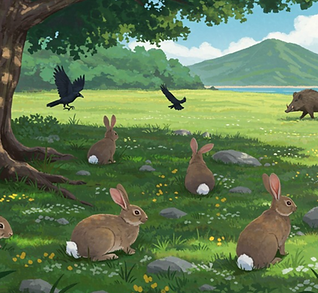

Ohkunoshima - where rabbits are exploited
- junkoroberson
- Dec 18, 2025
- 2 min read

12/18/25
Okunoshima—an island that acts in direct opposition to the spirit of animal welfare.
Marketed as a place teeming with rabbits, it has become a tourist destination that any rabbit lover would undoubtedly dream of visiting.
But what is the reality behind the hype?
The rabbits run freely across the island; upon spotting a human, they approach just like dogs, begging for food.
This behavior—so distinct from the aloof, erratic personality of rabbits kept as household pets—is precisely why most visitors become so captivated by them.
Although Okunoshima is a national park under the jurisdiction of the Ministry of the Environment, the animals inhabiting the island receive absolutely no official management or care.
Consequently, the rabbits are left entirely at the mercy of tourists for their food and water.
Visitors, acting on hearsay or simply following the lead of others, bring whatever they think is good for the animals—and proceed to feed them indiscriminately.
Unsurprisingly, this results in the deaths of many rabbits.
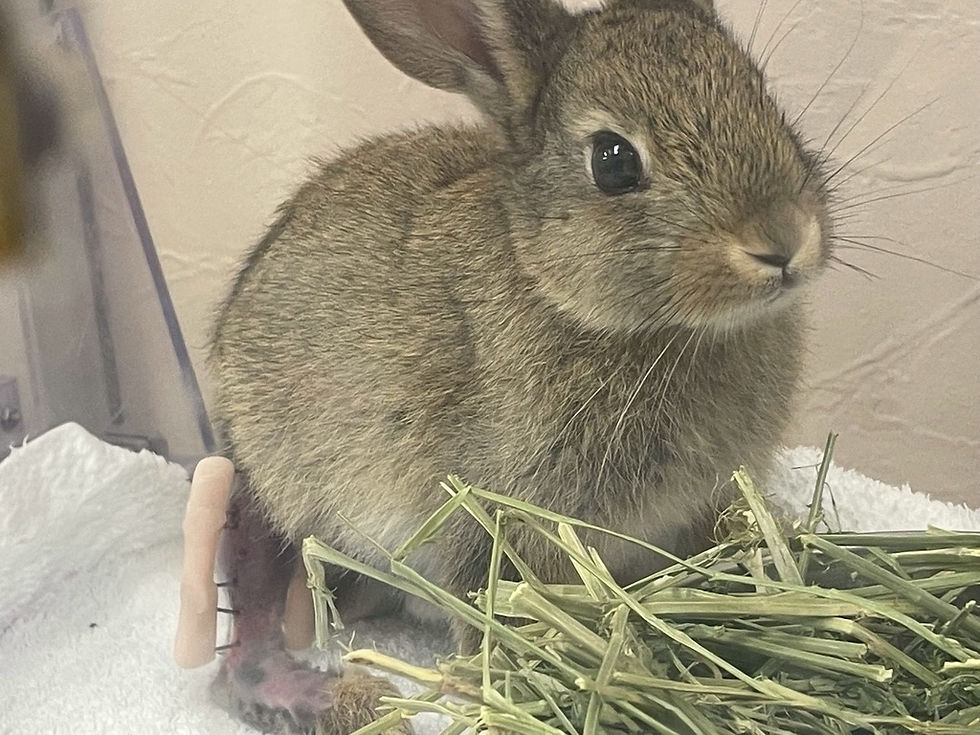
Many are accidentally stepped on, or—even more frequently—picked up by tourists only to be dropped; a great number of rabbits perish as a direct result of such incidents. Even those that manage to survive these ordeals are often left unattended, eventually succumbing to death anyway.
Tourists never learn the truth: that a rabbit may have died the very next day as a direct consequence of their actions. They simply snap a few cute photos and head home. And so, day after day, new tourists arrive, and this unseen tragedy—known to no one—repeats itself endlessly.
The rabbits—descendants of those abandoned long ago mixed with pet rabbits abandoned in more recent years—breed incessantly; they are born in droves, only to die in droves.
It is precisely because of this astonishing reproductive capacity that the city of Takehara—despite the high mortality rate—feels absolutely no sense of urgency or crisis.
They likely assume that since new rabbits are constantly being born, they can simply leave things as they are.
It is a "tourism resource" that replenishes itself without any intervention.
For the companies profiting from Okunoshima's rabbits—and for the city of Takehara itself—there could be no business model with a better cost-performance ratio than this.
It is, in every respect, the "ideal" model of wildlife tourism: a perfect trifecta of zero maintenance, zero food costs, and zero care.
If domestic rabbits are left to roam freely in this manner—without any oversight or efforts to address the various problems that inevitably arise—then surely no one can be blamed if Okunoshima comes under fire as an "island of rabbit abuse."
While Okunoshima’s rise as a tourist destination may have been a matter of chance, now that it has achieved such widespread fame, isn't it high time to take a hard look at the reality of the situation and implement proper management for the rabbits?
Takehara City, Ministry of the Environment—are you listening?


Comments