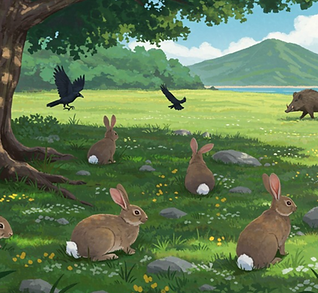

Do you really believe they are happy?
- junkoroberson
- Sep 16, 2025
- 3 min read

9/16/25
“Living Freely, Carefree, and Happily”
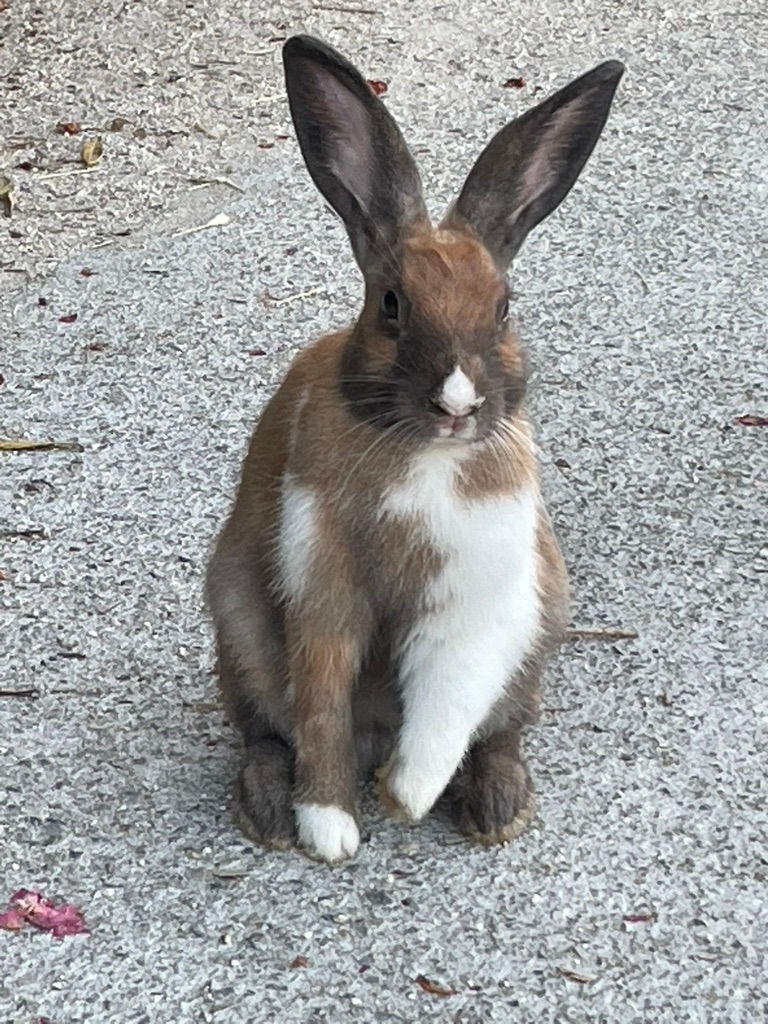
Tourists often find it adorable—and exciting—to see rabbits rushing toward them, devouring the food offered to them with such gusto, and this leaves them feeling that they want to return to visit again.
However, the tourists who come to Okunoshima Island are under a misconception.
They likely judge that the rabbits are living happily based solely on the impressions formed during their own brief visits to the island;
but have they ever witnessed the rabbits’ condition during the scorching heat of summer?
Michael and I have personally witnessed rabbits dying from heatstroke. The more time one actually spends on the island, the less likely one is to claim that these rabbits are living a happy life.
The reason they rush toward people is simply that they are hungry—and because they know they must snatch up food faster than anyone else, as there is no guarantee of when their next meal might come.
Due to their cute appearance, this behavior creates a false impression among tourists.
I believe the misconception that they are “living freely and without restraint” stems from the fact that they are seen running around the island.
In reality, however, they live within territories of a specific, limited size.
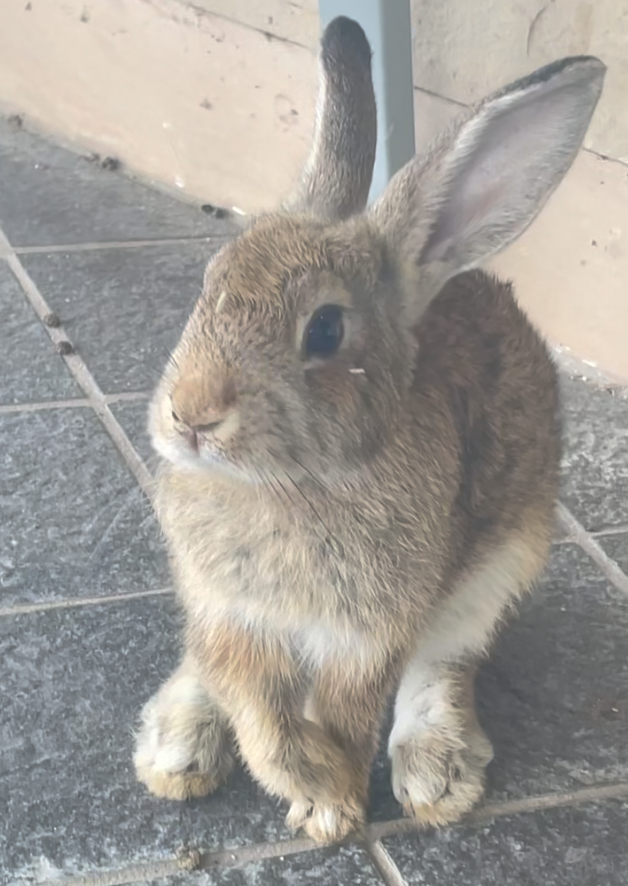
Within these territories, a clear social hierarchy exists; weaker rabbits live in constant fear, struggling desperately just to get their paws on some food. This is precisely why one often encounters rabbits with torn ears, scratched eyes, or lacerated skin.
When hunger reaches a critical point, a rabbit may cross territorial boundaries indiscriminately; when this happens, it is attacked by the boss of that territory—or by other rabbits within it.
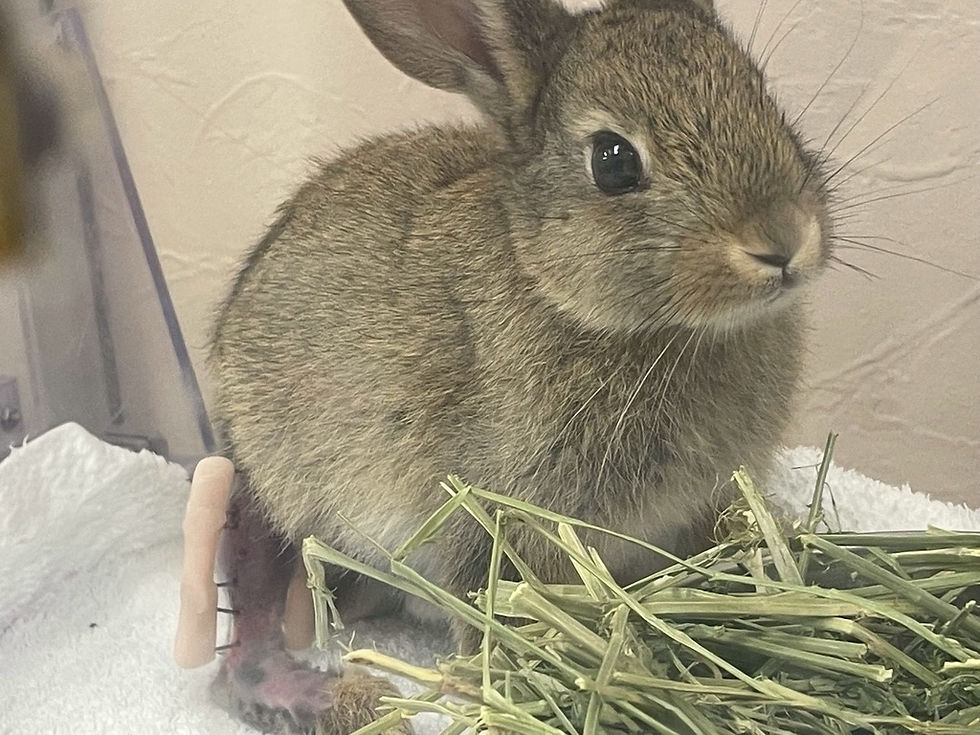
These attacks are not limited to mere chases; in some cases, they escalate into life-and-death struggles, leaving the victim severely injured—sometimes even resulting in death.
Even if the island’s rabbit population were to decrease, the fighting would not cease. This is because the rabbits’ deeply ingrained territorial instincts remain unchanged. Even within the same territory, fights frequently erupt over female rabbits.
Instances where rabbits were truly living together harmoniously—like a family—were few and far between. While it is true that highly social rabbits tend to form partnerships, they do not necessarily remain together for life in the way that certain bird species do.
Observing the sight of rabbits sitting together, people concoct and share all sorts of sentimental stories. Yet, the reality is far harsher: should a rabbit sustain an injury, its companions will cast it out; in some cases, they will even prevent young kits from approaching their food source, effectively starving them to death.
Rabbit society is not nearly as idyllic as it appears.
Some might argue that such behavior is inevitable because these are "wild" rabbits;
however, isn't this social structure merely the result of domestic rabbits being abandoned in the wild?
They are not truly wild rabbits—far from it.
To put it bluntly, the existence of the rabbits on Okunoshima is simply the product of being left completely unchecked and neglected. Diseases run rampant; while the rabbits may experience brief periods of remission, sooner or later their conditions inevitably worsen, bringing their short lives to a tragic end.
Tourists, seeking a photo of themselves holding a rabbit, will lift the animals into the air; the rabbits struggle to break free, fall to the ground, and suffer broken bones. Children chase the rabbits relentlessly—whether in broad daylight or the pitch-black of night—and, with grim inevitability, trample them underfoot, causing fractures.
I firmly believe that continuing to leave these rabbits to fend for themselves merely to attract tourists—and the irresponsible behavior of those tourists who chase the animals—amounts to nothing less than animal cruelty. I implore you: do not turn a blind eye to the fact that these rabbits have become victims of human self-indulgence.
Okunoshima absolutely must change.


Comments