
Did big tourism help rabbits?
- junkoroberson
- Oct 15, 2025
- 3 min read


10/15/25
Okunoshima. It is an island that once housed a poison gas factory during World War II;
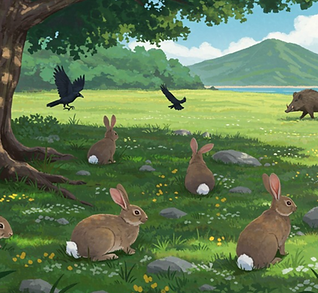
however, it has since become a small island inhabited by a multitude of rabbits—descendants of those abandoned there years ago, who subsequently bred unchecked over many generations.
For a long time, it remained a "hidden gem"—an island known only to a select few as a home for rabbits.
However, starting about a decade ago, YouTubers began broadcasting its existence to the world, causing the number of tourists to skyrocket. In response, both the city of Takehara and Hiroshima Prefecture seized the opportunity, featuring the island's rabbits on promotional posters and pouring their efforts into boosting tourism.
With countless tourists and photography enthusiasts posting images of the adorable rabbits on social media, the synergistic effect on tourism promotion must have been nothing short of spectacular. The island soon evolved into a pilgrimage site for rabbit lovers flocking in from all corners of Japan and the globe.
I have even heard that the Kure Line railway and the Omishima Ferry—transportation links once rumored to be facing closure or discontinuation—were saved from that fate thanks to the rabbits of Okunoshima.
I still vividly remember my first visit to the island in 2013, when I was overwhelmed by the sheer number of rabbits—so many that they seemed to blanket the entire island. Seeing that feeding was permitted within this national park, and observing the water basins placed throughout the grounds, I initially assumed the rabbits were being properly cared for.
However, when I later learned the grim reality—that they were essentially being left to fend for themselves, with even tasks like replenishing water and picking up trash left entirely to volunteers—I could hardly believe it.
Naturally, there was absolutely no veterinary care provided; even back in 2013, sick and injured rabbits could be seen scattered everywhere. The fact that the specific population of rabbits seemed to change completely with every subsequent visit leaves no doubt in my mind that, even back then, the majority of the rabbits were living very short lives.
I, too, once held the naive belief that "the more rabbits there are, the more fun it is to feed them." However, after years of witnessing countless rabbits lose their lives to injury and disease, my feelings eventually shifted; I came to feel nothing but indignation toward the cruel, neglected living conditions to which the rabbits of Okunoshima are subjected.
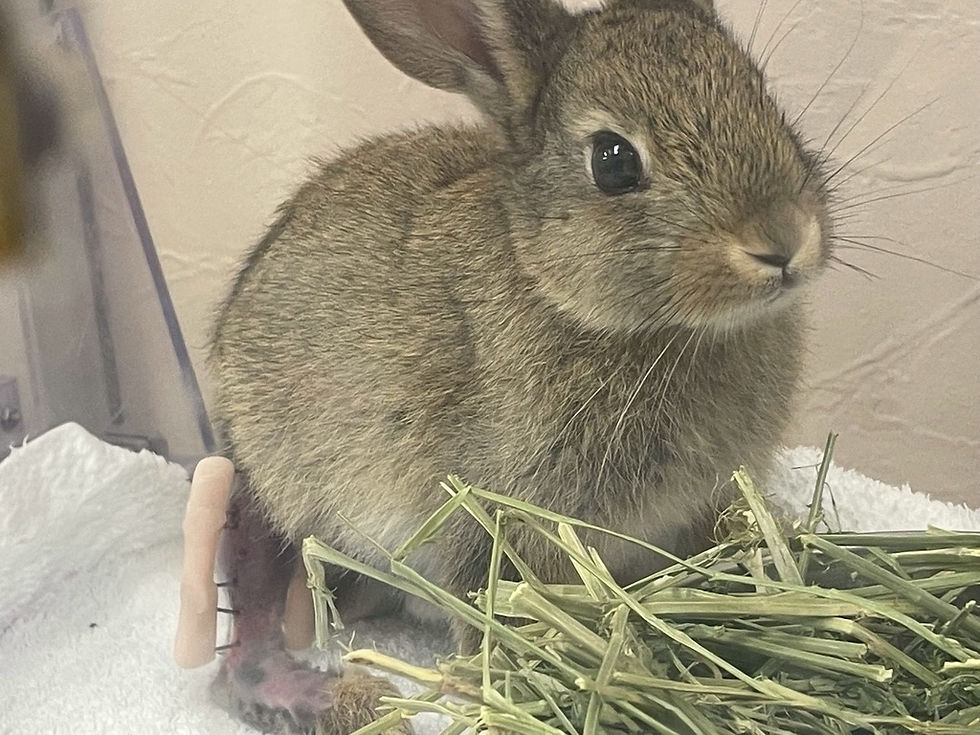
As is evident at a glance from the photograph, this rabbit is ill. It is suffering from a severe infection; despite being a highly social animal, it is constantly alone—without a partner or anyone to groom it—and has fallen into a state so wretched and dilapidated that its fur is far beyond mere dishevelment.
Rabbits that fall into such a condition typically perish from respiratory distress or are killed by natural predators.
The Ministry of the Environment has stated that, as the island's rabbits are classified as an invasive species, it has absolutely no intention of providing them with any care. However, if the Ministry permits the city of Takehara to allow feeding and the installation of water troughs within the national park—thereby sanctioning the tourism industry—is it truly justifiable for them to refuse to provide care for the very rabbits that serve as the industry's primary tourist attraction?
If you believe that these rabbits should receive medical care, please send your feedback to the Chugoku-Shikoku Regional Environmental Office. The collective voices of many individuals can become a powerful force for change.
Chugoku-Shikoku Regional Environmental Office — Feedback & Inquiries


Comments